The story of Ash Island
This island has been a meeting place, a naturalist's paradise, seventeen dairy farms, a radar station and a wetland reborn. We keep its library, scan its photographs, interview its farming families and publish the lot, so the record survives us.
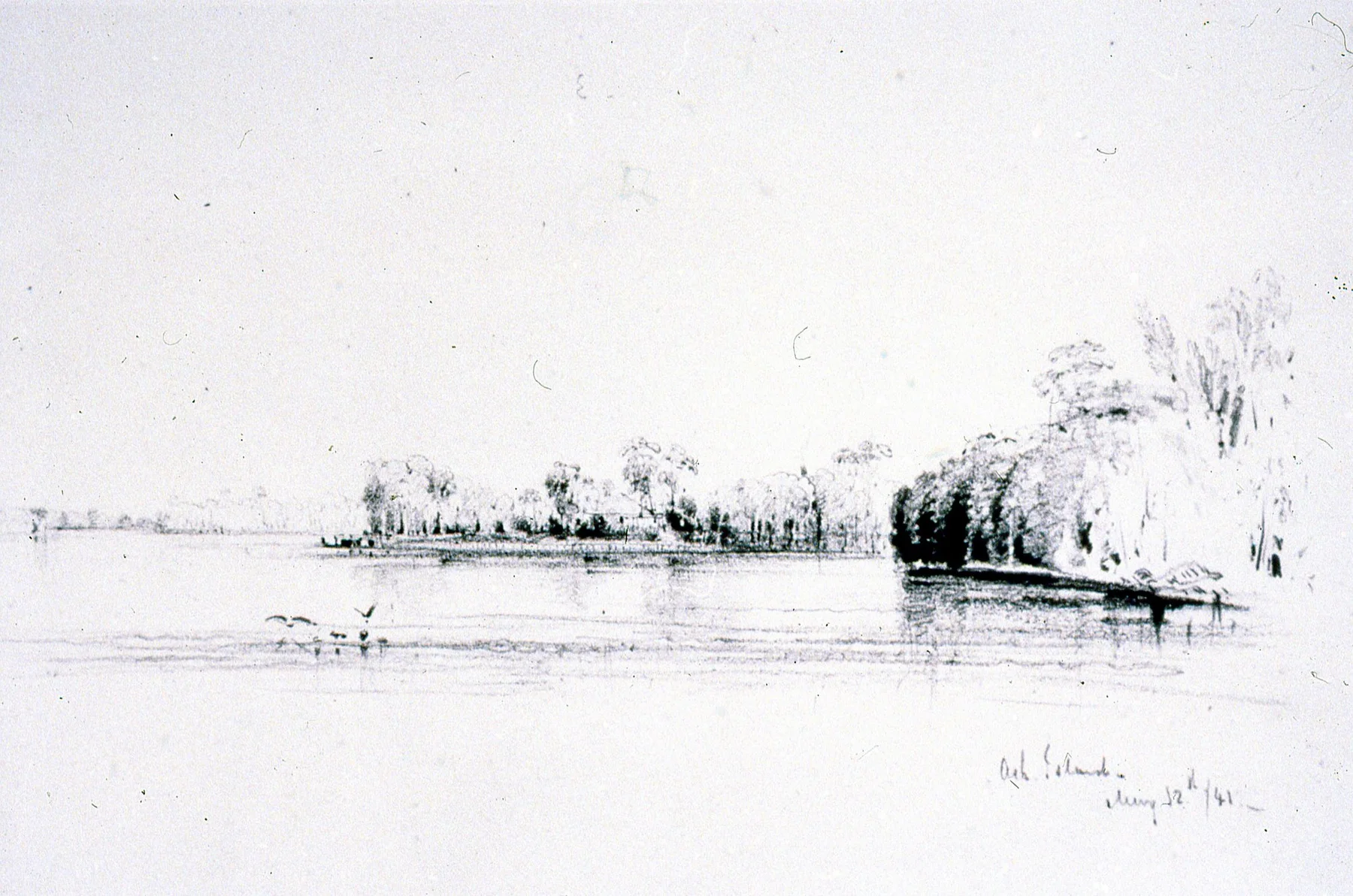
Conrad Martens, pencil, 12 May 1841
The development timeline
Ninety dated moments, from the estuary's First Peoples to the flood of 1893, the steelworks, the Ramsar listing and our own lease. Reprinted with permission from the NSW Fisheries history of the estuary's wetlands.
The Scott sisters
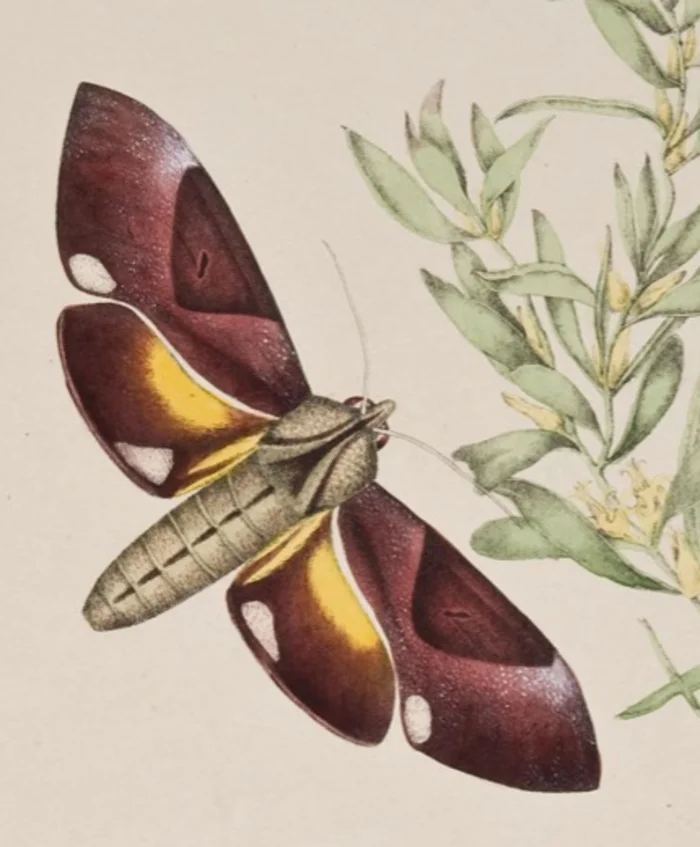
Harriet and Helena Scott painted the island's moths, butterflies, snakes and possums with single-hair brushes. Their paintings and plant records are still the working reference for the island's replanting.
The Schoolmasters House
The last building in the estuary still on its original footprint: through floods, tenants, a wartime RAAF lease, and the volunteer restoration that saved it in 1997–2000.
The history archive
Every page of ashisland.org.au, from the Scott family to the settler families, the First Peoples of the estuary and the galleries, indexed here, with nothing lost in the move.
“We're preserving and digitally archiving the library and the history of Ash Island from a botanical point of view and a people one.” Julia Brougham, FOTSH
Ask us about visiting, volunteering or the island's history
We're a small volunteer team at the Schoolmasters House. Send your question through and we'll reply as soon as we can.